
A Beloved Garden You Created
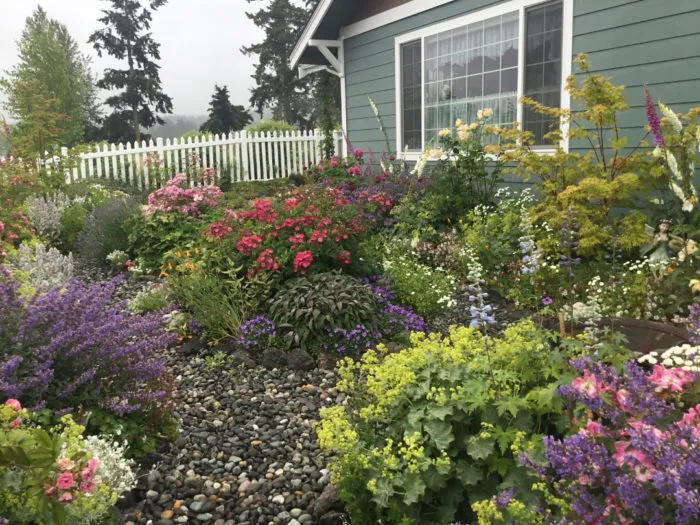
Leslie Harris’s journey, as described, serves as a poignant reminder of the deep emotional connections we form with the places we nurture and the gardens we create.
Her garden in Charlottesville, VA, a labor of love cultivated over nine years, clearly held significant sentimental value. It wasn’t just about the plants, the design, or the aesthetic; it was about the memories, experiences, and the soul she poured into the space.
The decision to move, especially when leaving behind such a cherished space, can be immensely challenging. But life’s circumstances, priorities, and desires can change, leading us to make decisions that are right for the present and future, even if they tug at our heartstrings.
Leslie’s resilience in facing a myriad of challenges, from the hornet sting to personal family matters, showcases her strength and dedication. She embodies the spirit of a true gardener, recognizing that while the physical space she’s nurtured has been special, her identity as a gardener is not tethered to just one location. The essence of gardening lies not only in the soil and plants but in the heart and spirit of the gardener.
Her sentiment, “I am a gardener who can garden at other places,” resonates deeply. Gardens are transient, ever-changing entities, and while they can be deeply personal, they don’t necessarily tie us down. Leslie’s willingness to embrace change, to carry forward her passion and knowledge to a new space, is inspiring. It’s a reminder that while we may leave behind physical places, the memories, experiences, and the essence of who we are continue to flourish wherever we go.
Change, especially one involving places we hold dear, is never easy. The garden, for many, is more than just a space; it’s an extension of oneself, a canvas where memories, dreams, and nature merge. When Leslie posted about her “bowling alley garden,” it showcased a gardener’s spirit, which thrives on the opportunity of a blank slate, regardless of its size or shape. It’s about seeing the potential in a space and the optimism to transform it into something beautiful.
Similarly, Susan Harris’s recollection is a testament to the deep emotional bond gardeners share with their spaces. The act of nurturing a garden over decades engrains a part of oneself into every leaf, petal, and patch of soil. When she looked wistfully at the view she was leaving behind, it was not just a goodbye to a physical space, but also to the memories, the sounds, the moments of peace, and the challenges that garden brought her.
The mover’s question echoed the sentiment many feel when leaving behind something so beautiful and cherished. Yet, Susan’s move also epitomizes the journey of life. Often, we must leave behind the known to embrace new experiences, challenges, and joys. The liberation she felt from the responsibilities of a larger garden might also have been a metaphor for the liberation from the weight of memories, allowing her to create new ones.
Gardening, in its essence, is about growth, evolution, and change. Both Leslie and Susan’s stories highlight that while gardens are bound to a physical location, the spirit of gardening travels with the gardener. It’s about carrying forward lessons from the past, nurturing the present, and planting seeds for the future. It’s about understanding that while places change, the heart’s ability to find beauty and create remains constant.