
The Vital Contributions of Wild Bee Lab: Capturing Essential Bee-Plant Interactions in Photos and Observations
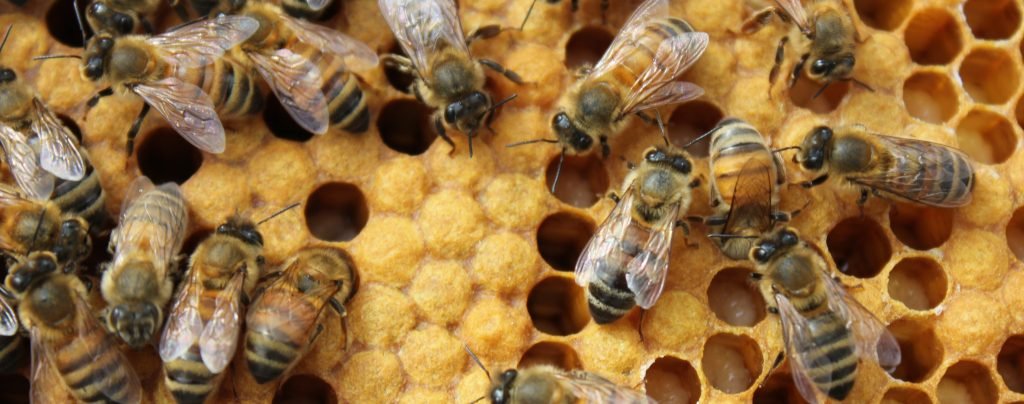
Nestled in the Patuxent Wildlife Research Refuge lies an inconspicuous structure reminiscent of a military bunker, housing a hive of entomological wonders. The Native Bee Inventory and Monitoring Lab, headed by the passionate Sam Droege, serves as a haven for researchers, ecologists, and nature aficionados alike.
The Bee Lab’s Mission
The Lab’s principal objective is to comprehensively document and survey native bees. To achieve this, the lab devises unique bee identification tools, and over time, has accumulated an impressive collection of ultra hi-res images. Over 5,200 of these images, showcasing the intricate details of native bees and their natural associates, are freely accessible on their Flickr site. The Lab’s Instagram, boasting more than 26,000 followers, is yet another treasure chest of photographs, not just of bees but of plants as well. From yoga pants to cell phone covers, these photographs have found their way into everyday items, reflecting the Lab’s widespread influence.
Beyond mere documentation, these microscopic photographs serve a loftier purpose. They play an essential role in accurately identifying bee species, enabling meticulous monitoring and shedding light on the environmental dynamics affecting bee populations. Such foundational research is indispensable for conserving native bee populations, not only within the US but globally.
Challenges in Identifying Bees
As I discovered during my visit, the task of identifying these diminutive creatures is not straightforward. Most native bees are almost invisible to the naked eye, requiring specialized techniques to capture and prepare them for microscopic examination. Sam aptly termed this process a “bottleneck in science.” Despite housing a staggering 700,000 specimens in their database, the Lab’s task is far from complete. Sam’s ongoing “Bees of Maryland” collection and his instructional videos further underline the challenge and significance of bee identification.
Beyond Bees: Documenting Bee-Plant Interactions
While bee identification is crucial, understanding the symbiotic relationship between bees and plants is equally paramount. The lab’s current research delves into understanding which plants native bees prefer and the frequency of their visits.
Using time-lapse photography near the lab-grown perennials and shrubs, the team has unearthed some surprising findings. For instance, contrary to popular belief, milkweed isn’t particularly beneficial for bees due to its inaccessible pollen. Bumblebees, however, are frequently seen around black-eyed Susans and Monarda. Dandelions, though common, don’t rank high on their list.
Sam directed me towards “Ask a Bumblebee” for more insights, and I’d encourage every nature enthusiast to do the same.
Conclusion
The Native Bee Inventory and Monitoring Lab is more than just a research facility. It’s a testament to the dedication and passion of scientists like Sam Droege. Their relentless pursuit of understanding the intricate world of native bees not only contributes to science but ensures that these little pollinators continue to thrive and enchant future generations.
The Native Bee Inventory and Monitoring Lab isn’t just a hub of scientific research; it’s also a sanctuary for community involvement. Through the enthusiastic guidance of Sam Droege, the Lab has actively encouraged the participation of volunteers, transforming them into bona fide citizen scientists.
A Call to Action from Your Backyard
During my visit, I learned about the Lab’s outreach for home gardeners. While the Lab is an epicenter of rigorous research, home gardens offer an equally valuable research site owing to their rich floral diversity. The Lab has developed a protocol titled “How to Catch and Identify Bees and Manage a Collection”, which serves as a guide for those keen to study bees in their gardens.
The process is simpler than one might imagine. Armed with a camera, volunteers set it up near blooming native plants, setting a timer for an image every 30 seconds. Their task is to count the bees visiting the plants. The Lab received a commendable 1,000 surveys last year, predominantly from the Northeast U.S., but Sam’s vision is to collect data from across the globe.
Beyond this citizen science initiative, Sam’s clarion call to gardeners is uncomplicated: plant more flowers. To assist gardeners in this endeavor, the Lab provides a comprehensive list of bee-friendly plants suitable for different regions.
Sam’s Vision: Healing Through Gardening
In a recent Garden DC podcast featuring Sam, he articulated a compelling perspective on gardening that resonated deeply with me. Gardens, according to him, offer profound healing, not just for the environment and pollinators but for us, the gardeners. In a world increasingly disconnected from nature, gardens serve as an oasis of tranquility and connection.
Sam’s poignant observation on the sterility of modern landscapes and the artificiality of lawns underscores the urgency to reconnect with nature. His passionate plea is for society to embrace more organic, nature-friendly spaces that nourish the soul.
To Sam, the transformation of our gardens isn’t just about conservation; it’s a journey of self-discovery and well-being. As he aptly puts it, the effort is as much for our personal rejuvenation as it is for the bees.
A Movement Beyond Bees
The Lab’s initiative goes beyond mere bee conservation. It’s a movement advocating for a harmonious coexistence with nature, right from our backyards. By empowering ordinary citizens to contribute to scientific research, the Lab is democratizing conservation efforts and fostering a deeper bond between humans and the natural world.