
King Charles: A Gardener with Hopes for Climate Change Advocacy
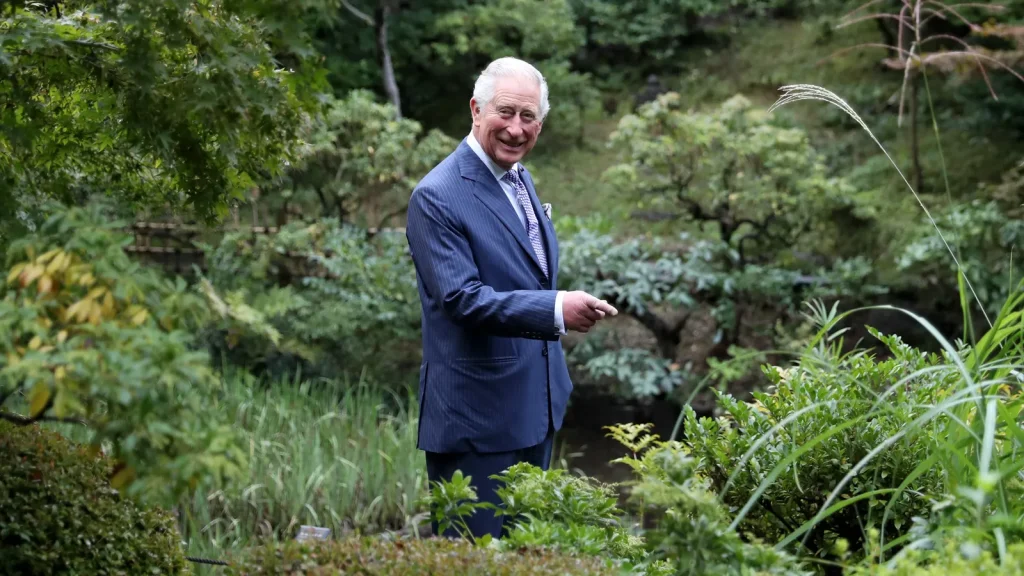
The British monarchy has long held the attention and imagination of the world, and the transition from one monarch to another is a pivotal event, rich with history and pageantry. Yet, amidst the grandeur of coronation robes and ancient traditions, King Charles III brings a unique touch of green to his crown. With a steadfast passion for gardening and the environment, he stands out as a modern monarch keenly aware of the challenges our planet faces.
A brief flashback to 2011 serves as a testament to this. Observing Prince Charles deeply engrossed in discussing composting at a D.C. community garden, one could sense the genuine interest of a man who isn’t just fulfilling royal duties but is truly passionate about organic gardening and sustainability. His book, “Elements of Organic Gardening,” not only provides a peek into his gardening philosophy but underscores his dedication to eco-friendly practices.
As we delve into his horticultural endeavors, it’s impossible to overlook Highgrove, the epitome of his vision. This garden isn’t just a space of leisure and beauty; it is an organic realm that harmoniously integrates nature, sustainability, and architecture. From its wild gardens that provide sanctuary for wildlife to its innovative use of solar panels and natural sewage systems, Highgrove embodies the King’s principles of organic and sustainable living. It serves as a beacon of inspiration for gardeners and environmentalists alike, demonstrating that one can create beauty while nurturing the planet.
While many monarchs have been remembered for their conquests, political decisions, or personal scandals, King Charles III is carving a unique legacy. His early commitment to environmental issues, especially in a time when such concerns were often met with skepticism, showcases his forward-thinking approach. He didn’t just limit his views to speeches or articles; he put them into practice, transforming his own residence into a model of sustainability.
Moreover, King Charles doesn’t just focus on the big issues; he emphasizes the nuances that matter. By highlighting the role of natural landscapes in absorbing carbon and the significance of sustainable architecture, he broadens our perspective on climate change. It isn’t just about factories and cars; it’s about our homes, gardens, and the green spaces we cherish.
King Charles III’s coronation isn’t just a new chapter in British history; it’s an inspiration and a call to action for people worldwide. As the world grapples with the challenges of climate change, having a monarch championing sustainable living from the throne offers a glimmer of hope. With King Charles at the helm, the conversation surrounding sustainability is sure to gain momentum, and the British crown will truly have a touch of green.
King Charles III’s ascension to the British throne brings to the limelight an intersection of monarchy, tradition, and modern-day challenges. As the world grapples with the escalating threat of climate change, Charles, long known for his fervent views on environmental conservation, faces a unique predicament: how can he further the climate change agenda without overstepping the constitutional boundaries of his role?
The memories of Charles warning the world about climate change at two pivotal COP conferences underscore his dedication to the cause. His words at Paris in 2015 and Glasgow in 2021 weren’t just ceremonial; they were the clarion calls of a man deeply concerned about the fate of the planet. As the then-Prince, Charles faced criticism and often ridicule for his views. Yet, he remained undeterred, becoming an early and consistent voice for sustainability long before it was mainstream.
However, the transition from Prince to King isn’t just a title change; it’s a fundamental shift in duties and responsibilities. While a prince can be vocal and proactive about his personal beliefs, a king must act with restraint, understanding that his role is symbolic and ceremonial. Charles’s own acknowledgment in 2018 highlights this transition, emphasizing that his approach as a sovereign will be distinct from that of a prince.
So, what does this mean for the climate change agenda and King Charles’s influence on it?
For starters, while direct interventions in policy-making are off the table, the influence of the monarchy isn’t just about legislation. It’s about setting a tone, creating awareness, and fostering an environment conducive to change. As King, Charles’s commitment to the environment can inspire businesses, organizations, and individuals. The projects he supports, the events he attends, and the causes he champions will set a precedent, subtly guiding the nation’s mindset.
Moreover, his previous endeavors, like his organic garden at Highgrove or his passionate speeches at global events, have laid a foundation that can be built upon. Through collaborations, sponsorships, and endorsements, the monarchy can encourage sustainable practices, even if indirectly.
While King Charles III may not be the revolutionary force tackling climate change head-on, he still wields influence. His reign, even within its constitutional confines, can serve as a beacon, urging society to prioritize sustainability and environmental consciousness. While we might have to temper our hopes for dramatic interventions, there’s every reason to believe that Charles’s green legacy will leave an indelible mark on Britain and beyond.