
"Why Natural Christmas Trees Are More Environmentally Friendly Than Artificial Ones"
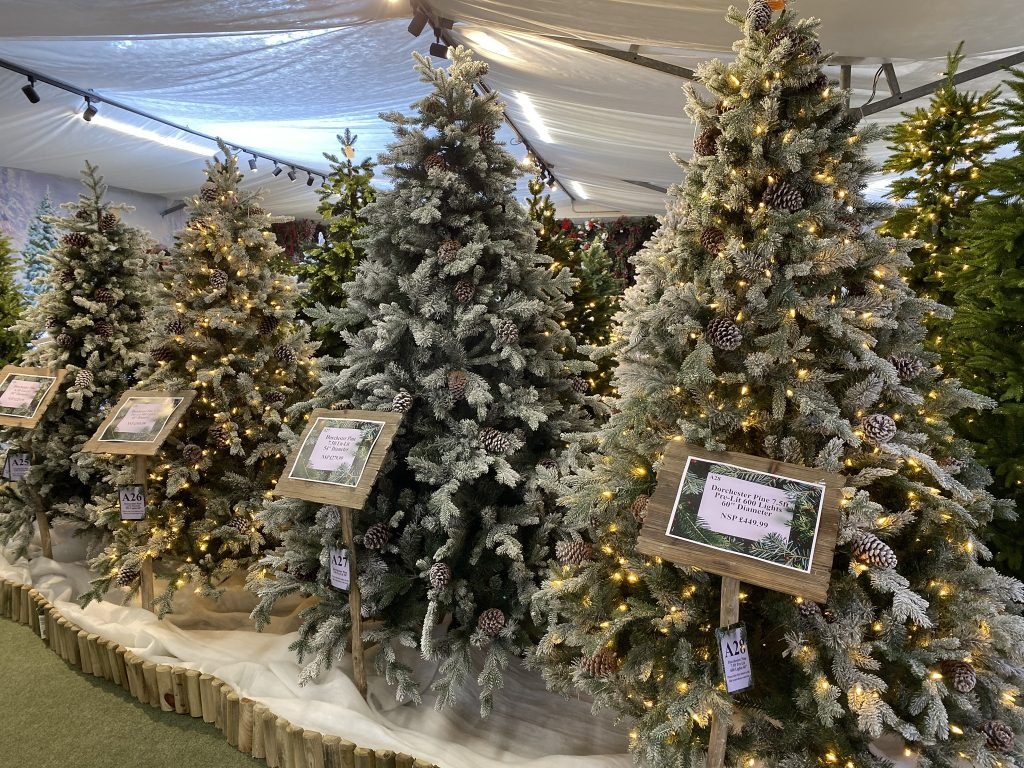
While at first glance, an artificial Christmas tree may seem like the eco-friendlier choice, a deeper dive reveals that opting for a real tree can be the sustainable route. In today’s episode, I delve into the merits of genuine Christmas trees, and I’ll share tips on keeping them vibrant through the festive season.
The tradition of decorating real Christmas trees began in 16th century Germany. Today, these trees are sustainably cultivated on farms rather than being sourced from wild forests.
Real vs. Synthetic Trees Synthetic trees comprise nonrenewable materials like plastic and metal, produced in factories that may not be eco-conscious. Additionally, these trees often journey from overseas, raising their carbon footprint further. Moreover, many come in hard-to-recycle plastic packaging.
Surprisingly, the average lifespan of an artificial tree is merely six years. A study from Ellipsos in 2009 revealed that for a synthetic tree to be climate-friendly, it would need to be used for nearly 20 years. I have an artificial one myself, used for over 23 years now.
However, once discarded, these artificial trees last forever in landfills. In contrast, real trees are renewable and absorb carbon. They can also be recycled. The National Christmas Tree Association states that out of the 350 million trees grown by farmers, 25 to 30 million are purchased each year.
Recycling After the Festivities Across the U.S., about 4,000 municipalities offer Christmas tree recycling programs. Even if such a service isn’t available, you can repurpose your tree. From beach restorations to salmon habitats, there are myriad uses. You can even chip the tree into organic mulch for gardening, which will nourish the soil over time.
If you lack the equipment, you can still use tree branches to hold down other mulches. Or, convert it to firewood, and utilize the ashes as a garden nutrient.
Selecting and Nurturing Live Trees Enjoy the charm of a live Christmas tree without any guilt. Live trees, with roots intact, can be planted post-holidays.
The key is proper care. Choose a tree compatible with your local climate. Always buy from trusted sources, examining the tree for health and vitality.
For best results, allow the tree to acclimate to indoor temperatures gradually. A spray can help retain its moisture. Yet, it’s essential to remember that a living tree shouldn’t stay indoors for over five days. Ensure it’s kept hydrated and away from heating sources. Once it’s time to move it back outside, it needs another week or so to readjust. Finally, plant it carefully, considering its long-term needs.