
"Why Human-Made Fertilizer? Exploring the Benefits"
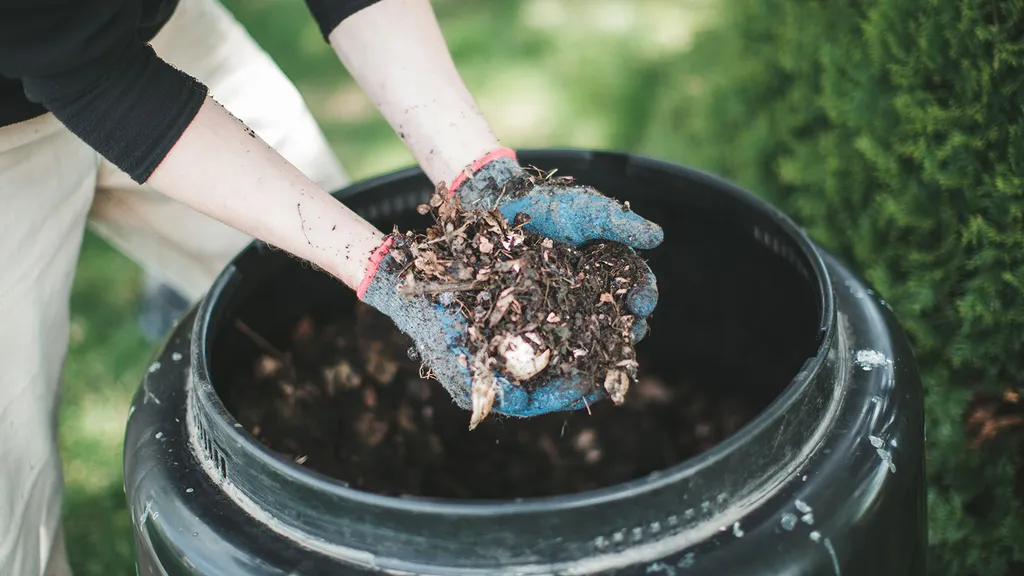
Using composted manure, blood meal, bone meal, and fish emulsion in gardens is commonplace. Yet, the thought of incorporating one’s own menstrual blood or urine might seem bizarre to some. However, I argue that using personal body fluids can be both safe and potentially less unsettling than utilizing those from animals. This approach is more in line with sustainability and the concept of a garden as a place of synergy with all living things.
The long-standing acceptance of animal waste in gardening is rooted in colonial farming methodologies. Throughout history, various cultures have harnessed resources from plants, human waste, and animals to enhance their soil. Relying heavily on livestock manure was not a global norm but was majorly adopted by those who domesticated large animals. In the pre-colonial Americas, for instance, the predominant agricultural method was slash and burn, with limited animal domestication. Depending on farmed animal byproducts as primary fertilizers originated from European traditions, later solidified by the pioneers of organic farming.
This system inherently assumes the indispensability of domesticated animals, bred in large quantities to provide ample waste. Yet, there’s no inherent requirement to process plants through animals to obtain fertilizers. The substantial environmental footprint of animal agriculture emphasizes the urgency to reduce this sector, aligning with the growing interest in plant-based diets. Despite this, byproducts from animal farming and fisheries continue to dominate the organic fertilizer domain. By purchasing such products, gardeners inadvertently support these industries. Opting for plant-based meals yet using cow-derived fertilizers seems paradoxical.
Every garden naturally has a built-in source of nutrient-rich soil enhancers – the gardener. While “humanure” can be a suitable alternative to livestock waste, it demands specific composting conditions to eliminate potential pathogens.
On the other hand, urine can be directly introduced to the soil after diluting it with water. It can also accelerate the breakdown of carbon-rich materials in compost piles. Similarly, menstrual blood, like other human wastes, has historically been a component in farming across cultures. While these might not replace conventional agricultural fertilizers, in a garden setup, especially when mixed with kitchen compost, green manures, or leaves, they prove invaluable.
There’s a slow but discernible shift in gardening practices away from sole reliance on chemical and composted manure. Composting toilets and urine-based fertilizers are becoming part of the mainstream conversation, albeit with some raised eyebrows. Ancient misconceptions about menstrual blood’s purported harmful effects still linger. Some modern enthusiasts who openly share their menstrual gardening experiences face ridicule or apprehension regarding its effectiveness. Yet, its nutrient profile is identical to that of the slaughterhouse-derived blood, with the added benefit of being cost-free.
To me, it’s illogical to prefer purchased animal byproducts over utilizing our own waste, especially when we aim for sustainability. While these additions are optional, and gardens can thrive on composted kitchen scraps and green manures, if we are considering animal-based fertilizers, why not start with what’s readily available to us? It’s free, reduces waste, and doesn’t support industries reliant on animal byproducts.