
Uncovering the Reality of Nandinas and Their Impact on Birds
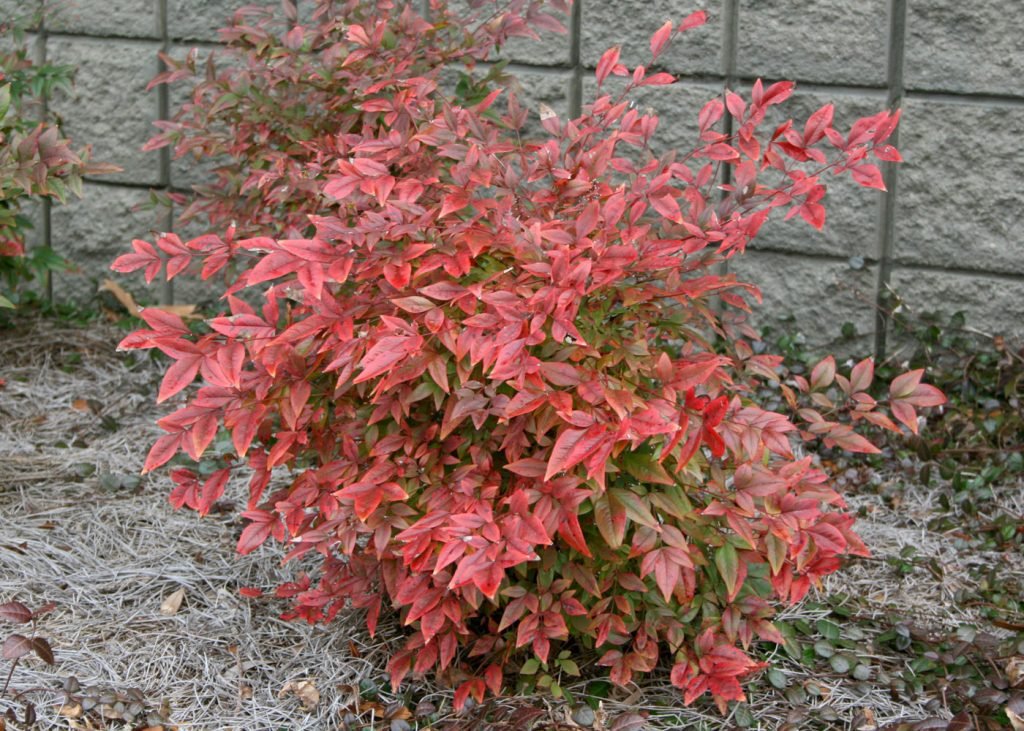
Recently, I had guests in my townhouse garden. Everything was going fine until a few pointedly questioned my decision to plant Nandina shrubs by my house’s foundation. The point of contention? Reports they’d heard about cedar waxwings dying from ingesting Nandina berries.
In my garden, these Nandinas display a stunning winter hue, especially when most of my garden looks bare. However, there aren’t any berries on them. Still, for some visitors, the mere presence of the plant called my judgment into question.
Feeling the need to clarify, I sought answers from online gardening experts, particularly from the Garden Professors Facebook group. There, Don Shor delved into an incident from 2009 in Georgia: cedar waxwings were discovered dead with Nandina berries in their system, which do contain small amounts of cyanide. This singular event led some groups, like Audubon Societies, to advocate for the plant’s removal or at least its berries.
Crucially, it was highlighted that cedar waxwings have unique feeding habits. As Rhiannon Crain from The Nature Conservancy and Cornell Lab of Ornithology notes, these birds consume berries in vast amounts, unlike other bird species. But it’s not just Nandina berries: there have been instances of cedar waxwings dying from consuming other plants, like Cotoneaster flowers and blueberries.
Garden Professor head Linda Chalker-Scott weighed in, suggesting that such incidents are rare. Emphasizing the importance of diverse landscape plantings, she stated that most gardens wouldn’t only offer Nandina berries to birds. Ann Lovejoy, a gardening mentor of mine, also commented, defending the shrub and mentioning its benefits to birds prior to the 2009 incident.
Moreover, most nurseries nowadays prefer modern varieties over the original Nandina species, with the newer ones often being compact and non-fruiting. Varieties like ‘Gulf Stream’ and ‘Moon Bay’ are especially popular for their year-round beauty.
So, is it necessary to remove all your Nandinas? Absolutely not. If you’re concerned, you can always prevent potential berry growth by snipping off the flowers before they seed.
Ann has offered invaluable advice on Nandina pruning and has suggested them for areas near entrances. Some argue against Nandinas for their invasive nature in certain regions, but I’ve grown them for over three decades because they’re evergreen, versatile in sunlight conditions, and are available in multiple sizes. Plus, they are incredibly drought-resistant after the initial growing period.
With this post at hand, the next time my garden sees visitors, I’ll be ready to address any Nandina-related concerns. Such are the challenges of gardening in today’s times.