
When Did Annuals Transform into Perennials?
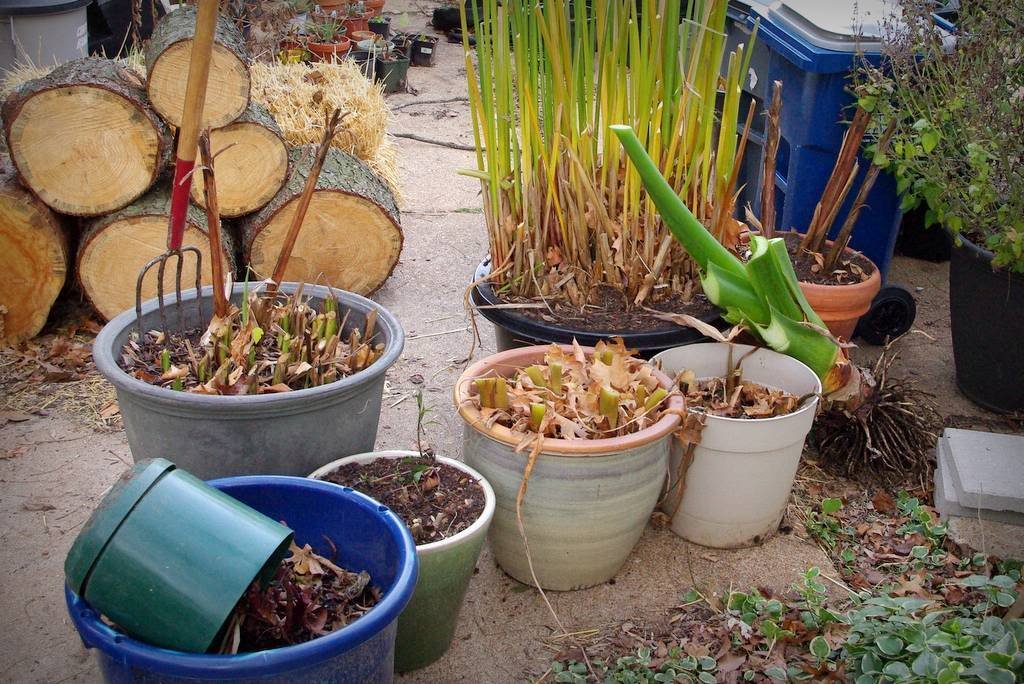
It appears to be the trend. Numerous members of my digital gardening circle have begun to pack their windows, basements, and even greenhouses with a variety of plants ranging from coleus and begonias to geraniums, petunias, and impatiens. If there’s a plant out there, someone is likely nurturing it.
On the surface, this is commendable. Plants that usually meet their end with the season are now being preserved through the winter, only to rejuvenate come late spring. However, I personally find it challenging to adopt such frugal habits, and here’s why:
I’m confident that the same or even enhanced versions of these plants will be readily available at gardening shops or online platforms the next year. Speaking for myself, I crave variety. Taking coleus as an example, while I’ve enjoyed the eight types I had this year, I’m inclined to switch it up next season. The plant world is vast, with new introductions every year, be it petunias, annual salvias, or begonias. It seems my interest is fleeting; I’m always on the lookout for the next captivating plant. The methods of preserving plants through the winter don’t particularly entice me. A fully-equipped outdoor greenhouse might be an exception, but it’s impractical considering my constrained city dwelling. Jampacking windowsills with containers of budding coleus isn’t my style. As for lighting up the basement for plants, the old foundation of our house more closely resembles a crypt.
Setting up the electricals would be cumbersome and, frankly, it’s too much effort for mere geraniums. There are other winter gardening pursuits that genuinely pique my interest. I plan on nurturing around 150 bulbs in our basement’s root storage, one of its redeeming features. My houseplant collection has also seen significant growth, thanks in part to the variety now on offer and the inspiration from fellow garden enthusiast, Johanna Dominguez. While I don’t personify these plants or develop deep emotional bonds, I take pride in my collection of roughly 45 diverse plants.
Some of these, particularly the larger tropical varieties, are shifted outdoors annually. There’s also the inevitable issue of plant diseases and pests. I already juggle this with my indoor plants. The advantage with annuals is that they’re primarily outdoors, making it easier to manage such problems. Lastly, I cherish the tradition of purchasing fresh annuals every spring from my local nurseries and gardening centers. These establishments are intimate, family-run ventures, and I eagerly anticipate supporting them each year. There’s a joy in reconnecting with the regulars; it signals the onset of summer.